Most trekking articles describe Manaslu as a remote and beautiful Himalayan circuit—but very few explain the cultural universe that makes this region one of Nepal’s most spiritually alive landscapes. The Manaslu region, stretching from the Budhi Gandaki valley to the Tibetan borderlands around Samdo, is a living museum of Himalayan life where traditions, rituals, and community values remain deeply intact.
If you walk through these villages slowly—truly observing the rhythm of daily life—you’ll understand that Manaslu is not simply a trek. It is a cultural immersion, a spiritual journey, and an encounter with people whose warmth and resilience define the essence of the Himalayas. At Eagle Trail Escapes, we always choose community-run teahouses and work with local families because their stories, heritage, and hospitality are the beating heart of this region. Every step you take becomes more meaningful when you understand the people who call these mountains home.
This article takes you beyond guidebook descriptions and into the real Manaslu: the monasteries, the festivals, the daily routines, the sacred landscapes, and the hidden stories passed down through generations.
The Real Manaslu: Culture, People & Hidden Stories
Understand the spiritual life, traditions, and warm hospitality behind Nepal’s most culturally preserved trekking region.
Manaslu: A Living Tapestry of Himalayan Culture
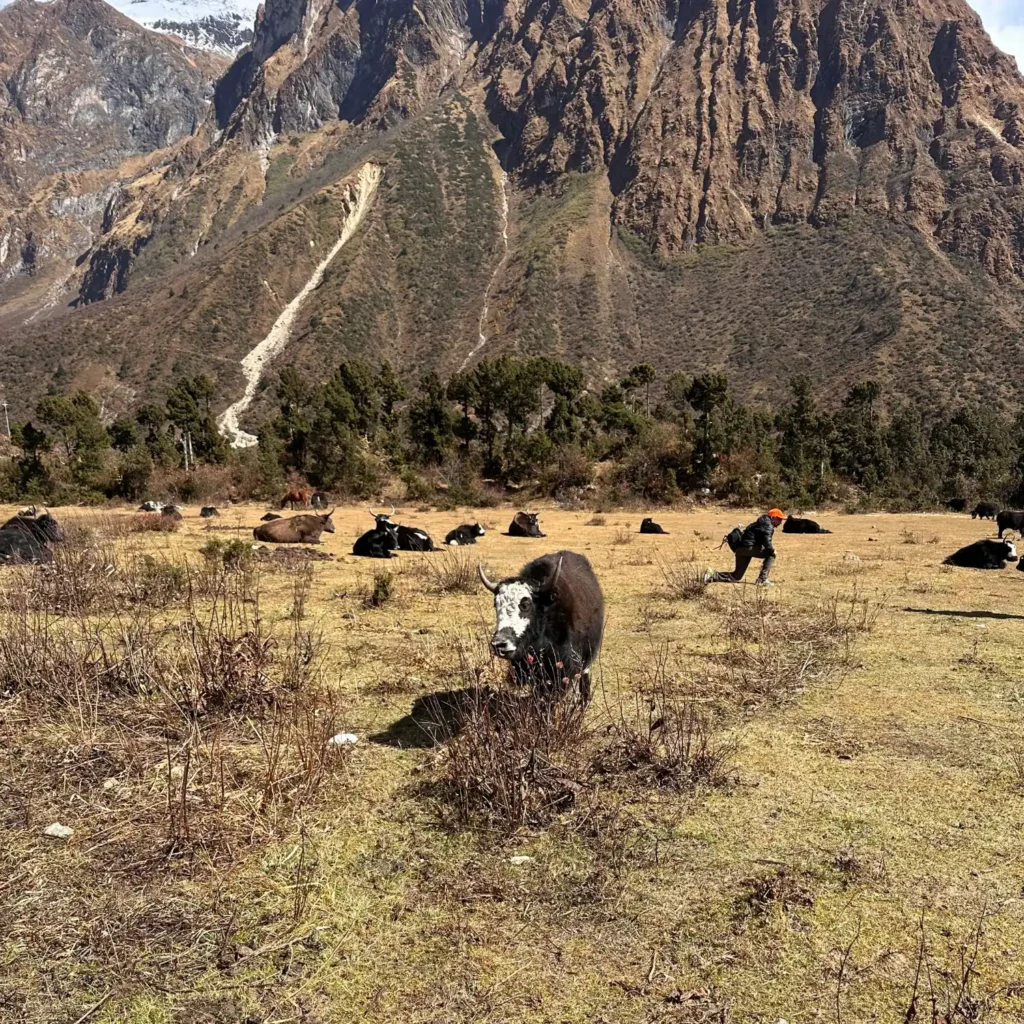
The Manaslu region stands apart because culture is not preserved here—it is lived. Ancient monasteries are still active centers of community life. Seasonal festivals follow the lunar calendar. Families rely on traditional agriculture, yak herding, and trade. Children learn Buddhist chants before they learn the alphabet. Trekkers often arrive expecting scenery, but leave remembering the people.
As you walk through the Budhi Gandaki valley, you begin noticing mani walls carved with sacred mantras, prayer wheels turned by flowing water, wooden homes decorated with protective symbols, and villagers quietly working in terraced fields. These elements reflect a worldview where nature is sacred, community is central, and spirituality is woven into everyday activities.
Our guides, many of whom were raised in these highland settlements, love sharing stories that reveal the emotional and spiritual depth of this region. They introduce trekkers to families we’ve known for years. They teach simple phrases in the local dialect. They explain why barley is not just a crop but a cultural identity. Their narration helps visitors understand Manaslu not as a destination, but as a vibrant culture.
Samagaon: The Cultural Heartbeat of Manaslu
Samagaon (3530m) is arguably the most culturally immersive village on the circuit. Nestled beneath the towering face of Manaslu, this village is a masterpiece of traditional Himalayan architecture. Its stone houses, carved wooden windows, and narrow lanes speak of centuries of craftsmanship. During acclimatization days, we often guide trekkers through the village to meet local artisans, yak herders, and families who open their homes with remarkable hospitality.
One of the highlights here is the grand monastery, where monks gather before dawn to chant prayers that echo across the valley. Butter lamps flicker inside the prayer hall, illuminating statues of Tara, Chenrezig, and Guru Rinpoche. When our groups quietly join these morning ceremonies, even the most seasoned travelers feel a connection they didn’t expect.
In the afternoons, children gather in the courtyards playing games shaped by tradition and imagination. Women spin yak wool or prepare tsampa flour, and men tend to livestock. Trekkers often remark how life moves slowly here—yet every moment is purposeful, gentle, and deeply rooted in cultural tradition.
Lho and Shyala: Villages Built on Prayer and Community
Lho (3180m) welcomes trekkers with the magnificent Ribung Monastery standing guard above the village. When you arrive here, it is common to hear monks chanting or see lines of butter lamps being arranged for evening rituals. Our groups always stop for prayers here—not out of obligation, but because the serenity of the place invites reflection.
Further ahead lies Shyala, an open meadow village encircled by some of the most dramatic mountain views in the region. Children often run out to greet trekkers, and families drying barley in the sun wave warmly as you pass. Every corner of these villages seems touched by the mountains and prayers. Stone-carved mani walls line the trail, each mantra intended to bring peace and protection to travelers.
We always choose teahouses that are family-operated because they offer more than accommodation—they offer cultural connection. Around the fire, over homemade soups or yak butter tea, our guests hear stories of winter hardships, monastic ceremonies, trade routes, and legends told by grandparents. These intimate interactions cannot be found in commercial trekking zones and form the emotional core of the Manaslu experience.
“When our guests sit with families in Lho and listen to stories over firewood tea, they understand that Manaslu is not a trek—it is a relationship.”
Eagle Trail Escapes Team
Understanding Tibetan Buddhist Life and Spiritual Practices
The Manaslu region is one of the last strongholds of Tibetan Buddhist tradition in Nepal. Every village contains spiritual symbols that reveal centuries of belief: prayer flags fluttering on ridgelines, mani stones inscribed with sacred mantras, and stupas standing at the entrance of settlements. Respect for these symbols is woven deeply into daily life.
Monasteries here are not tourist attractions; they are living community centers. Rituals include chanting, ceremonial instrument playing, and important festivals like Lhosar, where communities gather to offer prayers for prosperity and protection. Our guides ensure trekkers understand the significance of walking clockwise around stupas and spinning prayer wheels respectfully. These small acts build meaningful cultural bridges between visitors and locals.
In Tsum and upper Manaslu, you may even hear about the ancient tradition of sky burials or practices of seasonal migration. While trekkers rarely witness these rituals directly, understanding their purpose provides a deeper appreciation for local spiritual philosophy—one that centers on compassion, impermanence, and harmonious living with nature.
Teahouse Life: Hospitality, Warmth, and Real Connection
Teahouses are where trekkers truly experience Himalayan hospitality. In Manaslu, most teahouses are run by families who have lived here for generations. The firewood stove is the heart of the home. Meals are prepared with ingredients grown in fields nearby—buckwheat, barley, potatoes, and seasonal vegetables. Dal bhat is served with pride, not convenience.
Evenings inside these homes are filled with storytelling, laughter, and the warm crackling of the stove. Our groups often help families prepare momos or learn how tsampa is roasted. Children may sing traditional songs, and elders share tales of winters when snow blocked the valley for weeks.
We always support these community-run teahouses because the income directly strengthens local families. It helps children attend school, supports monastery upkeep, and preserves traditions. For trekkers, these homes become unforgettable memories—a warmth that stays long after the trek ends.
Festivals, Rituals, and the Sacred Calendar of Manaslu
The spiritual calendar shapes daily life across Manaslu. Festivals mark seasons, harvest cycles, and important Buddhist dates. Lhosar, the Tibetan New Year, is celebrated with cham dances, vibrant clothing, prayers, and feasts that bring together entire villages. During Mani Rimdu or monastery-specific rituals, masked dances, chanting, and offerings fill the air with energy.
Visitors trekking during festival times witness an extraordinary cultural display—villagers in traditional attire, monks performing rituals, drums echoing across valleys, and families offering food blessed by lamas. Our guides always align trekking schedules whenever possible so that guests can respectfully observe these ceremonies.
These rituals are not for spectacle; they are expressions of gratitude, protection, community unity, and spiritual renewal. Understanding them enriches the entire trekking journey.