The Manaslu and Tsum Valley region is often described as a world untouched by time. While the trekking trail is a major attraction, what truly defines these valleys is the depth of their spiritual life. Monasteries remain active centers of learning. Festivals follow lunar calendars that have guided communities for centuries. Rituals mark every season, from harvest blessings to protective ceremonies for the mountains, fields and families.
For trekkers, experiencing these traditions is not simply cultural tourism. It is a doorway into understanding how remote Himalayan communities remain emotionally connected to their environment and to each other. The monasteries of Lho and Samagaon, the nunneries of Tsum Valley, and the meditation sites linked to ancient masters all contribute to a spiritual landscape unlike anywhere else in Nepal.
This article explores the most important festivals, rituals and monastic practices of the region in a way that helps trekkers appreciate the cultural heartbeat behind the mountains.
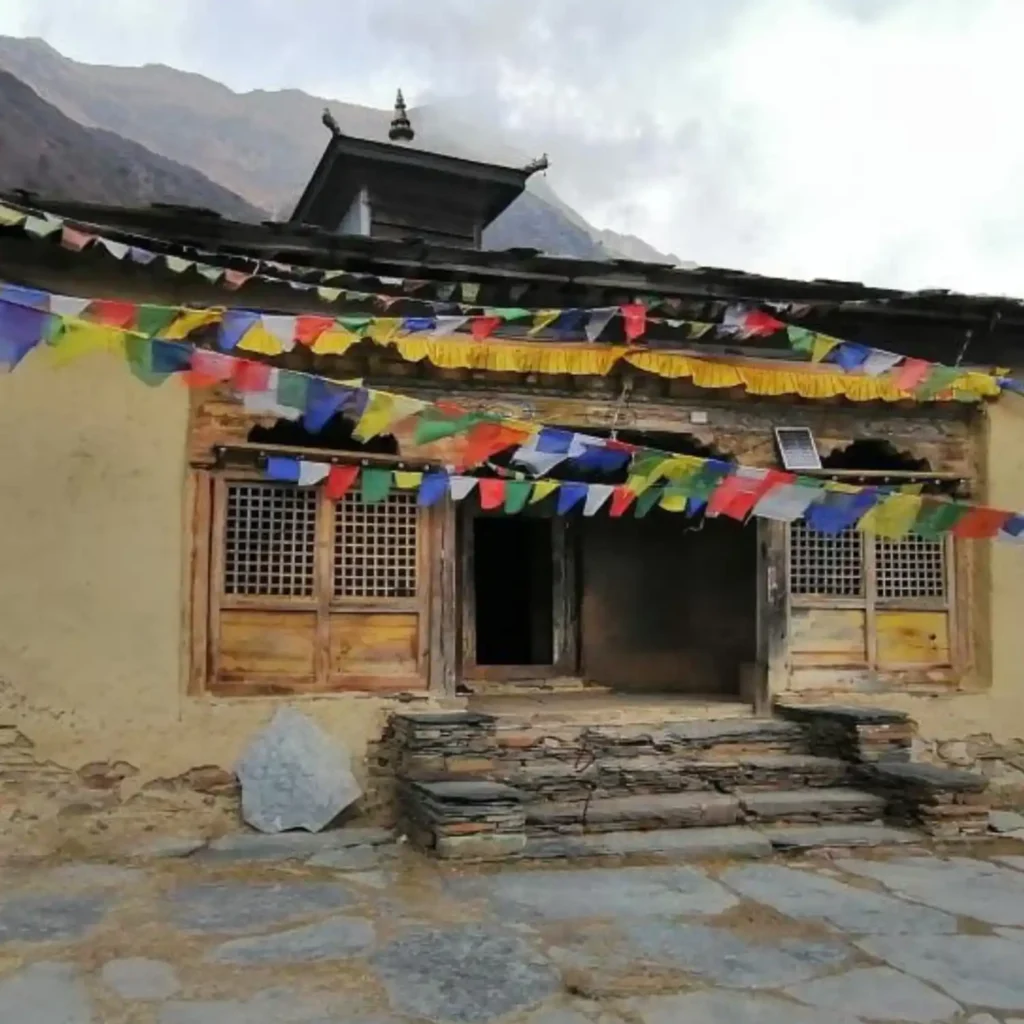
Festivals and Spiritual Life in the Manaslu and Tsum Valley Region
Understanding the rituals, ceremonies and monastic heritage that define the cultural identity of this remote Himalayan region.
A Region Built Around Monasteries and Spiritual Rhythm
Across Manaslu and Tsum Valley, monasteries are not isolated religious structures. They are the center of community life, spaces where people gather for ceremonies, decision making, learning and seasonal celebrations. The sound of drums and long Tibetan horns often echoes through the valleys before sunrise, marking the beginning of the monastic day.
Prayer wheels powered by water and wind stand beside the trail. Mani walls stretch for hundreds of meters, carved with Buddhist mantras by generations of villagers. Even the architecture of homes reflects spiritual influence, with window frames carved with symbols meant to provide protection and prosperity.
For trekkers, observing these traditions offers an understanding of how deeply spirituality shapes identity, family roles, and community unity in the region.
Major Festivals of Manaslu and Tsum Valley
Festivals across the region follow the Tibetan lunar calendar. Their timing shifts each year, but their purpose remains consistent: to bring the community together, honor protective deities, bless the land and renew spiritual energy.
Below is an overview of the major festivals you may hear about while trekking.
| Festival | Key Villages | Significance |
|---|---|---|
| Lhosar | Samagaon, Lho, Prok, Tsum | Tibetan New Year. Families gather for prayer, dance, feasting and purification rituals. |
| Mani Rimdu (in select monasteries) | Lho and upper Prok area | Masked dances, blessings, and purification ceremonies performed by monks. |
| Dha Chhong (Harvest Ritual) | Samagaon and Shyala | Gratitude ceremony to bless fields, livestock and families before winter. |
| Nunnery Ceremony Days | Tsum Valley | Unique rituals led by local nuns, including chanting and small community blessings. |
These festivals are not tourist-oriented. They are real, community-driven rituals. Trekkers who visit during these times witness an atmosphere that cannot be recreated elsewhere in the Himalayas.
Lhosar: The Most Important Festival of the Year
Lhosar is the Tibetan New Year and the most celebrated festival in Manaslu and Tsum. Preparations begin weeks in advance. Families clean their homes thoroughly, decorate doorways, prepare special breads and gather offerings for the monastery. Elders recount old stories about how their ancestors celebrated Lhosar during periods when winter snow kept the valley sealed from the outside world.
During Lhosar, villagers dress in traditional clothing and visit monasteries to offer prayers and butter lamps. Young monks perform ceremonial dances. Families gather for shared meals, herbal drinks, and songs that carry through the night. The celebration symbolizes renewal, protection and gratitude for surviving the harsh winter season.
Monastic Rituals You May Witness While Trekking
Even outside festival season, monks and nuns perform daily rituals that mark the rhythm of life in the region.
| Ritual | Where Seen | Description |
|---|---|---|
| Morning Chanting | Lho, Samagaon, Chhokang Paro | Monks gather before sunrise to chant mantras accompanied by drums and horns. |
| Butter Lamp Prayers | All monasteries | Lamps are lit to honor ancestors and purify negative energy. |
| Water Blessings | Tsum Valley | Nuns collect water from sacred springs for purification ceremonies. |
| Stupa Circumambulation | Samagaon, Prok | Walking clockwise around stupas to accumulate good merit. |
For trekkers, even quietly observing these rituals offers a profound connection to local life.
The Unique Role of Nunneries in Tsum Valley
Unlike other trekking regions, Tsum Valley has a strong nunnery presence. Nunneries in Chhokang Paro and Mu Gompa host women of all ages who follow monastic life, teach young girls, and preserve rituals that have faded elsewhere in Nepal. These nunneries are respected community spaces, and locals frequently visit them for blessings or advice.
Visitors who spend time in Tsum often describe the atmosphere inside nunneries as quieter than monasteries, more contemplative, and deeply rooted in compassion-focused practice.
Sacred Caves and Meditation Sites
Some of the holiest locations in the region are not monasteries, but meditation caves linked to saints and yogis who practiced in isolation. The most well known is the Milarepa Cave in Tsum Valley, said to be a meditation retreat used by the legendary Tibetan master Milarepa. These caves are believed to carry spiritual energy accumulated through centuries of practice.
Trekkers often report feeling a quiet stillness in these sites, even when staying only briefly. These locations reveal how spirituality in the Himalayas is not limited to formal structures but extends into the landscape itself.
Daily Life Rituals You Will Notice While Walking
The spiritual rhythm of Manaslu is visible even in everyday actions. Farmers begin their mornings by offering a pinch of flour to the ground for protection. Women spin prayer wheels while walking to the fields. Children run around mani walls before school, believing it brings good luck. In many homes, the first fire of the day is lit with a quiet prayer to household deities.
These small practices show how spirituality is integrated into practical life, not separated from it.
Why Spiritual Life Adds Meaning to the Trek
Manaslu is an impressive physical journey, but understanding the region’s spiritual and cultural background gives the trek emotional depth. When you enter Lho and hear the monastery drums, when you walk past water-powered prayer wheels, when you see nuns trekking to collect spring water, or when a family offers you tea during Lhosar preparations, you begin to understand that this region is not defined only by altitude and passes. It is defined by connection, belief, resilience and community.
For trekkers, these moments are often the strongest memories of the entire circuit.