The Manaslu Circuit Trek is widely regarded as one of Nepal’s most beautiful and least commercial high-altitude journeys. But it also comes with challenges: steep ascents, long daily distances, progressive altitude, unpredictable mountain weather, and a demanding pass crossing over Larke La at 5106 meters. For many trekkers, the question before committing is simple: “How hard is the Manaslu trek really?”
This guide breaks down the difficulty level in clear detail. It examines everything from altitude progression and trail conditions to physical preparation, seasonal factors, and how pacing impacts safety. The goal is not to discourage anyone; it is to help trekkers understand Manaslu realistically and prepare with confidence.
At Eagle Trail Escapes, we trek this circuit every season and design our itineraries around safe acclimatization. This guide reflects real experience on the trail, not generic summaries.
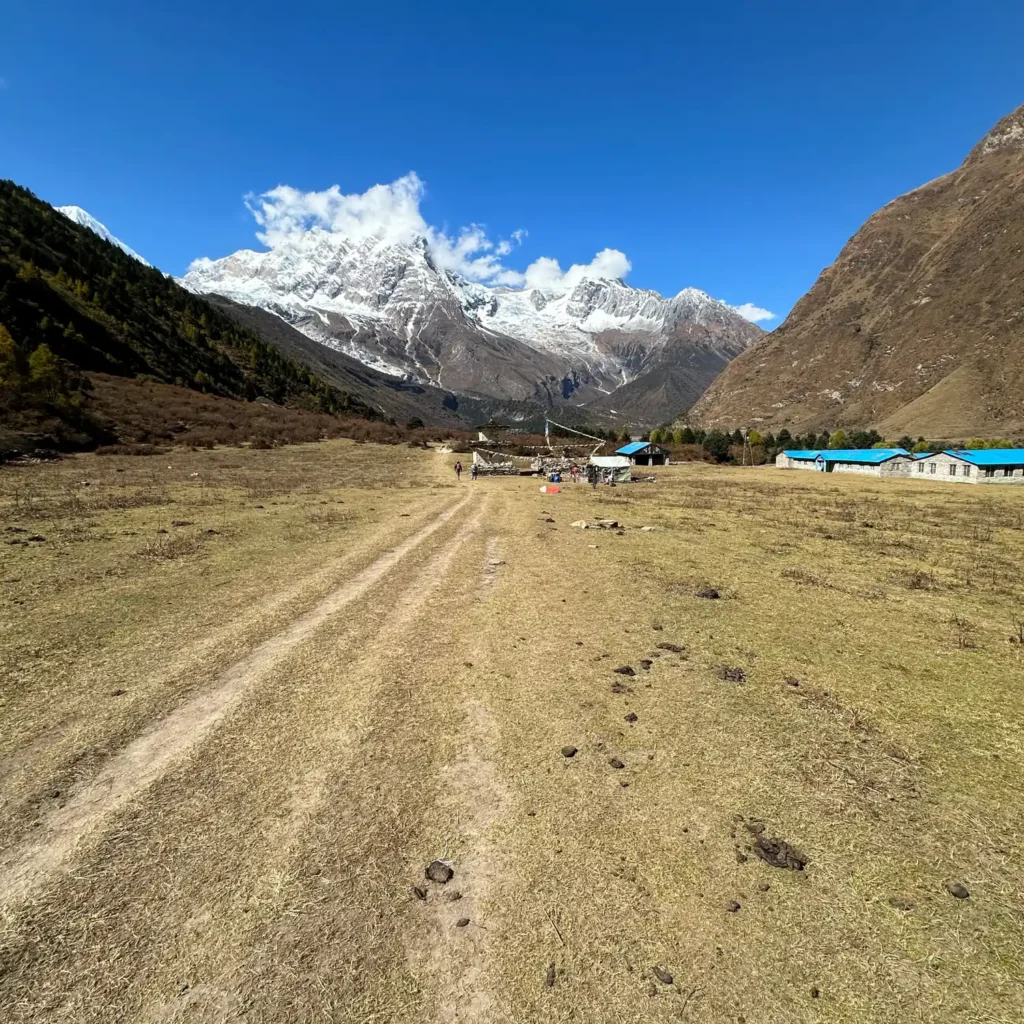
How Hard Is the Manaslu Trek? Difficulty, Altitude and Preparation Guide
Understanding the terrain, altitude progression, fitness requirements and challenges of Nepal’s iconic Manaslu Circuit.
Is Manaslu a Hard Trek?
Yes, Manaslu is considered a challenging trek, especially when compared to more classic routes like Annapurna Base Camp or Langtang. It is not technical, but the combination of long days, remote terrain and high altitude makes it demanding.
The difficulty comes from four primary factors:
- Long trail days on uneven terrain
- Steady altitude gain without early high points
- The high crossing over Larke Pass
- Weather that shifts quickly at higher elevations
The good news is that trekkers with determination, basic trekking experience and proper pacing can complete the route safely. Manaslu demands respect, not professional athletic fitness.
Daily Distances and Trail Conditions
The first half of the trek follows the Budhi Gandaki valley, famous for its narrow cliffside paths, suspension bridges and constant ascent. The second half opens into wide alpine basins before climbing to the high pass. Daily distances range between 12 and 20 kilometers depending on the stage.
| Stage | Distance Range | Trail Character |
|---|---|---|
| Lower Valley (Machhakhola to Deng) | 12–20 km per day | Steep steps, river crossings, rocky paths, humid terrain |
| Mid Section (Deng to Lho) | 10–18 km | Forest trails, waterfalls, long suspension bridges |
| High Valley (Lho to Samdo) | 8–12 km | Open meadows, alpine terrain, wider paths |
| Larke Pass Day | 16–20 km | Long ascent to 5106m and descent to Bhimthang |
While the daily distances are manageable, the trail’s constant elevation gain, steep climbs and high-altitude sections add to the challenge.
Altitude Progression: The Real Challenge
What makes Manaslu challenging is not the technical difficulty of the trail but the steady rise in altitude. The route ascends from around 900 meters to over 5100 meters in less than two weeks. Acclimatization is essential to avoid altitude-related issues.
Here is a simplified look at altitude progression on a standard Manaslu itinerary:
| Location | Approx. Elevation |
|---|---|
| Machhakhola | 900 m |
| Jagat | 1340 m |
| Deng | 1860 m |
| Namrung | 2630 m |
| Lho | 3180 m |
| Samagaon | 3530 m |
| Samdo | 3860 m |
| Dharamsala | 4460 m |
| Larke Pass | 5106 m |
The two acclimatization days (Samagaon and Samdo) are what make the trek safe. Without these rest days, trekkers may struggle on the final ascent toward the pass.
Crossing Larke Pass: What It Really Feels Like
Larke Pass is long, cold and exposed. It is not technically difficult, but it requires endurance. Trekkers usually begin before sunrise to reach the pass early and descend before the afternoon winds increase.
The ascent is gradual but unrelenting. The oxygen level at 5100 meters is significantly lower, which means even short steps can feel demanding. The pass itself offers remarkable views, but the descent to Bhimthang is what tests the legs, as it drops more than a thousand meters through rocky terrain.
Eagle Trail Escapes schedules the pass crossing carefully based on weather patterns and recommends a slow, steady pace. Most trekkers find the descent more challenging than the climb due to tired legs and uneven footing.
Do You Need Prior Trekking Experience?
Experience with multi-day trekking is highly recommended. While beginners can complete Manaslu with proper guidance, it helps to have familiarity with long trail days and steep climbs. The more important requirement is consistent fitness and the ability to walk several hours a day for nearly two weeks.
Trekkers who regularly hike or exercise will adapt well. The goal is not speed but endurance and mental consistency.
Fitness Requirements: A Honest Breakdown
You do not need to be an elite athlete to trek Manaslu. You do need to be in good overall condition. The trek is about steady progress, not strength or speed.
- Be able to walk 6–7 hours a day with breaks
- Comfortable on steep terrain
- Decent cardiovascular fitness
- No chronic knee or respiratory issues (or approval from your doctor)
If you can walk uphill for one hour without stopping, you will manage the terrain well. The altitude is the harder part, not the physical trail.
Seasonal Difficulty: When is Manaslu Hardest?
Difficulty varies noticeably by season. Weather affects everything from trail stability to pass safety.
| Season | Difficulty Level | Notes |
|---|---|---|
| March–April | Moderate | Stable weather, blooming forests, cold near the pass |
| May | Moderate | Warmer but clouds build in late afternoons |
| September–October | Moderate | Clear skies, ideal for the pass, cool nights |
| November | High | Very cold mornings, strong winds on Larke Pass |
Winter and monsoon are not recommended due to risk of snowfall, landslides and poor visibility.
Acclimatization Strategy: Why It Matters
Proper acclimatization is the single strongest predictor of success on the Manaslu Circuit. Skipping rest days or ascending too quickly increases the risk of altitude sickness, which can affect even the strongest trekkers.
- The Samagaon acclimatization day prepares the body for higher elevation
- The Samdo acclimatization day allows proper adaptation before Dharamsala
- Dharamsala is kept intentionally short to avoid exertion at 4460 meters
Eagle Trail Escapes designs its itinerary to follow a slow gain pattern—this is the safest and most comfortable way to approach high altitude.
Preparing for the trek: Practical Training Tips
Preparing for Manaslu should begin several weeks before arrival. Focus on building endurance rather than speed.
- Regular hikes with a backpack
- Stair or hill climbing sessions
- Moderate cardio training (cycling, jogging or long walks)
- Strengthening leg muscles and core stability
The goal is to teach your body to stay comfortable on continuous uphill and downhill movement.
Is Manaslu Harder Than Annapurna Circuit or Everest Base Camp?
In many ways, yes. While the terrain is comparable to the Annapurna Circuit, Manaslu’s earlier altitude progression and more remote environment make it feel harder. It also has longer daily distances in the lower valley and fewer luxuries than the Everest region.
However, what makes Manaslu more rewarding is the quieter environment, strong cultural identity, and lack of commercialization. Many trekkers say the effort feels worthwhile because of the authenticity of the region.