The Makalu Base Camp Trek is one of Nepal’s last true wilderness journeys — raw, quiet and strikingly beautiful. Unlike Everest and Annapurna, Makalu sees only a small number of trekkers each year, making it ideal for travelers who want real Himalayan solitude. You begin in warm farming villages, cross rhododendron forests, climb over the Shipton La Pass and finally walk into the remote Barun Valley, surrounded by cliffs, hanging glaciers and the enormous eastern face of Mt. Makalu (8,485m).
Because our team has worked with communities in Seduwa, Tashigaon and Barun Valley for years, we design our Makalu itineraries around comfort, safety and slow acclimatization. We stay in locally-operated teahouses wherever possible and support camping crews in the higher, uninhabited zones. This guide brings together everything you need — from terrain awareness to cultural etiquette — in one place.
Makalu Base Camp Trek — A Complete, Realistic Guide
Remote valleys, glacial landscapes, Rai and Sherpa culture, and one of Nepal’s most untouched routes.
What Makes the Makalu Trek Different?
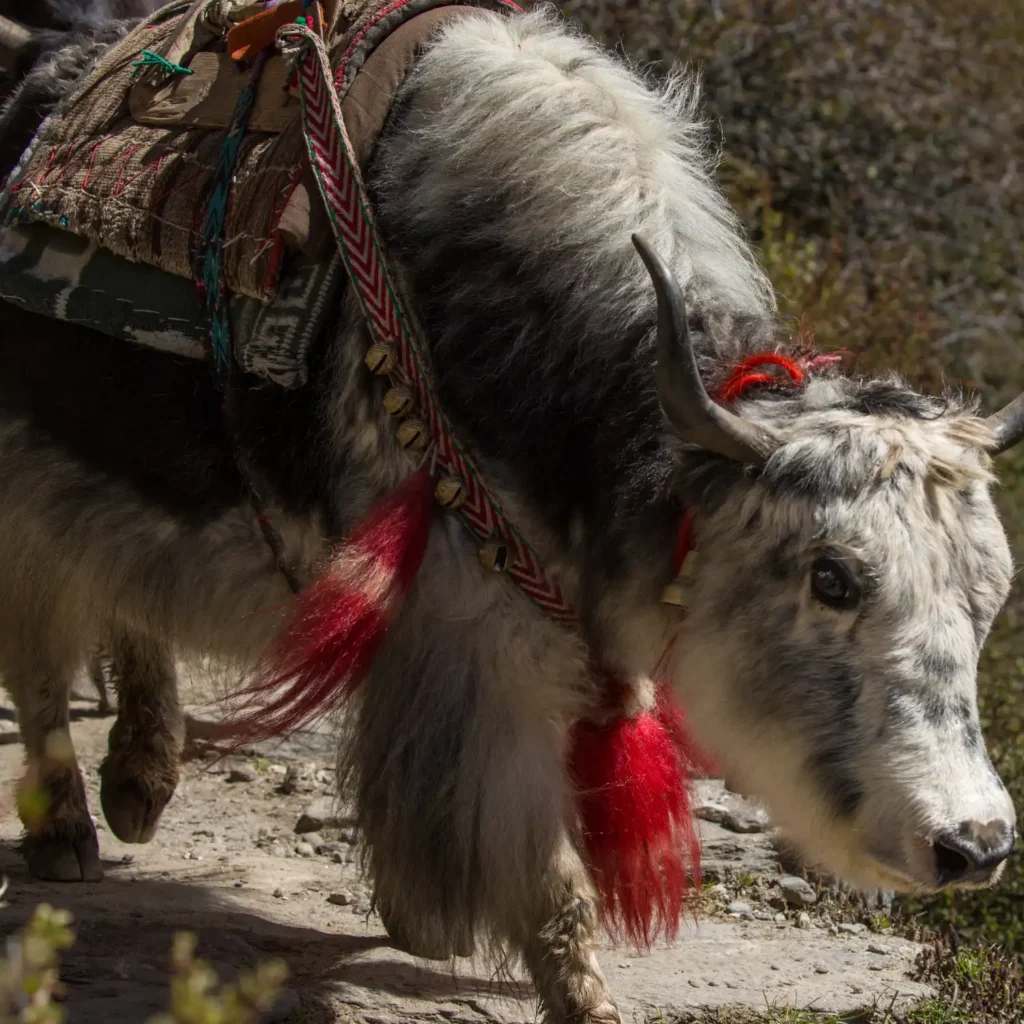
Most trekkers have heard of Everest and Annapurna, but very few ever make it to Makalu. For those who do, the experience stays with them forever. The Makalu region offers something rare — true wilderness, where the trail passes through subtropical forests, remote ridge-lines, yak pastures and glacial valleys with almost no commercial influence.
Unlike mainstream trekking routes, you’ll often walk an entire day without seeing another trekking group. This feeling of isolation is exactly what attracts American and European trekkers who want a more authentic, off-the-grid adventure.
Because we focus on community-supported tourism, we choose locally-operated teahouses in Seduwa, Tashigaon and Khongma Danda. Higher up in the Barun Valley — where no settlements exist — our experienced camping team manages safe and sustainable campsites so the trail stays clean and communities benefit fairly.
Makalu Trek Route Breakdown (Based on Real Itineraries)
The classic Makalu Base Camp route usually takes around 18–22 days, depending on acclimatization and weather. The trail follows this general structure:
- Low valley section: Num → Seduwa → Tashigaon, rich with farming culture and Rai communities.
- Shipton La section: A steep, demanding ascent through forests to Khongma Danda, then crossing Shipton La and Tutu La passes.
- Barun Valley section: Dramatic ecological shift — ancient birch, juniper, glacial rivers, hanging ice cliffs.
- Base Camp approach: From Langmale and Shershong to Makalu BC (~4,870m), surrounded by towering granite walls and glaciers.
During spring, rhododendron forests explode with color. In autumn, visibility is crystal clear — perfect for photographers and first-time high-altitude trekkers seeking huge vistas without crowds.
Difficulty & Who This Trek is Best For
Makalu Base Camp is tougher than Everest Base Camp simply because of its remoteness. There are fewer facilities, more climbing days and long stretches without villages. But if you enjoy being outdoors — preferably without crowds — this may be the perfect trek for you.
You’ll enjoy this trek if:
- You prefer wild nature over commercial trails.
- You’ve trekked above 4,000m before and want a bigger challenge.
- You appreciate slow, acclimatization-first itineraries.
- You enjoy cultural immersion with Rai and Sherpa communities.
Challenges include: steep ascents to Khongma, crossing the Shipton La Pass in unpredictable weather, cold nights at Barun Valley camps and limited connectivity.
Our pacing is intentionally slower than most competitors — not to stretch the itinerary, but to reduce AMS risk and support responsible tourism practices.
Local Culture You Will Encounter
The Makalu region is a unique blend of Rai, Sherpa and Bhote/Tibetan cultures. In the lower valley, you will see terraced farms, Mundhum rituals, and traditional Rai homes. Higher up near Khongma and beyond, Tibetan Buddhist influence becomes stronger — with prayer walls, hillside chortens, and small gompas.
We encourage trekkers to slow down during village stays. Ask questions. Share tea. Learn why some families migrate seasonally. These encounters create genuine connection and help preserve cultural pride in remote valleys that receive far fewer visitors than the Everest trail.
Flora, Fauna & the Barun Valley Ecosystem
The Barun Valley is one of the richest ecological zones in the Himalayas. From subtropical forests at 435m to high alpine tundra near 5000m, the trail passes through multiple climate zones in a short distance. Expect:
- Forests: pine, fir, birch, maple, rhododendron.
- Wildlife: red panda, snow leopard (rarely seen), musk deer, Himalayan monal, black bear.
- Floral highlights: dwarf rhododendron, primulas, meconopsis (blue poppy).
Trekkers often say that the section between Mumbuk → Shershong feels like entering a lost world — towering granite cliffs, waterfalls, and enormous glaciers carving through deep valleys.
“The Barun Valley is one of the last untouched alpine ecosystems left in the entire Himalaya.”
Field Ranger, Makalu-Barun National Park
Permits, Costs & Essential Planning
Because Makalu lies inside Makalu-Barun National Park and crosses multiple village jurisdictions, trekkers require:
- Makalu-Barun National Park Entry Permit
- TIMS card
Our team manages all permit processing so you don’t have to queue in Kathmandu. For budgeting, keep in mind that camping nights above Khongma increase logistical costs — crew wages, porters, fuel, food and safety gear.
Best seasons: March–May and September–November. Winter crossings of Shipton La are often impossible due to snowpack.