Life in the Makalu Region — Stories of Rai, Sherpa & Barun Valley Communities
Traditions, livelihoods, festivals and the human story behind Nepal’s most remote trekking region.
Where Cultures Meet: A Region Shaped by Altitude
The Makalu region is one of Nepal’s most culturally diverse mountain corridors. Unlike Khumbu or Annapurna, where one dominant culture shapes the entire trail, Makalu is a mosaic — a meeting ground of Rai farmers, Sherpa herders, Tibetan-Bhote traders and mixed Hindu communities living in the lower valleys. Each altitude band has its own lifestyle, architecture, festivals and rhythm of life.
For trekkers, this cultural gradient is as striking as the dramatic change in climate zones. Within a few days, you move from terraced settlements with bamboo, cardamom and millet fields to misty forests filled with old-growth oak and magnolia, and eventually to the high yak pastures and sunburned stone houses of Tibetan-descended Sherpa families.
At Eagle Trail Escapes, we design itineraries that allow trekkers to interact meaningfully with these communities. We always stay in locally operated teahouses in Seduwa, Tashigaon and Num — choosing family-run places where conversations, not transactions, create the memory. Understanding these people gives the Makalu trek its soul.
The Rai of the Lower Valleys
The journey into Makalu begins in warm, agricultural settlements inhabited mainly by the Rai — one of Nepal’s oldest ethnic groups with deep roots across eastern Nepal. Historically, the Rai were animists with strong shamanic traditions, and many still practice rituals governed by Mundhum, an ancient oral scripture that explains creation, ethics and community relationships.
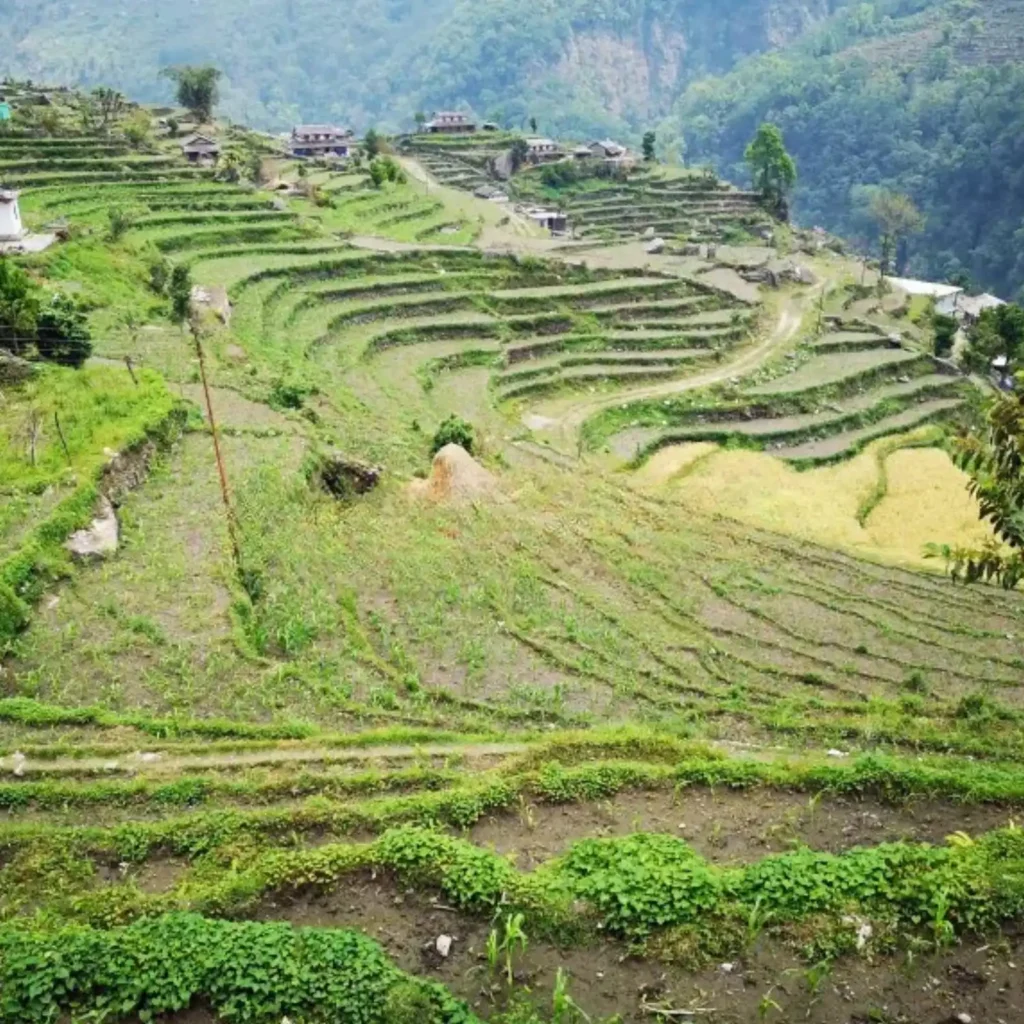
In villages like Seduwa, Tashigaon and Chichila, life revolves around farming. Families cultivate maize, millet, rice, potatoes and seasonal vegetables, often working on steep terraces carved into the hillsides. Community bonds are strong — neighbors exchange labor during planting and harvest, and festivals like Ubhauli and Udhauli mark the vertical migration of people, crops and animals through the seasons.
What surprises many trekkers is the warmth and humor of Rai hosts. During a stay in Seduwa, you may be invited into the kitchen — a smoky room with low wooden ceilings and a clay hearth — to share millet beer while children sit around the fire listening to stories. These casual, unscripted moments often become more memorable than the trek itself.
Everyday Life in Rai Villages:
- Farming from dawn to dusk, often with the entire family involved.
- Traditional bamboo baskets used for carrying grain, firewood and leaves.
- Livestock like goats, chickens and buffalo living under the same roof in winter.
- Evenings spent weaving, repairing tools or singing communal folk songs.
The lower Makalu region is rapidly changing due to migration — many young Rai men and women work in cities or abroad, leaving grandparents to manage farms. Yet the villages retain their slow pace, traditional values and intimate relationship with the land.
Sherpa & Bhote Communities of the High Country
Above Tashigaon, the cultural landscape shifts dramatically. The air becomes cooler, forests thicken and the first signs of Tibetan Buddhist influence appear — prayer flags, carved mani stones and small chortens marking ridgelines. This is the homeland of Sherpa and Bhote (Tibetan) groups who migrated across high passes centuries ago.
The Sherpa in Makalu are culturally distinct from the Khumbu Sherpa of the Everest region. Here, communities are smaller, more isolated and more economically dependent on livestock herding than tourism. You will encounter families tending yak, chauri (yak–cow hybrids) and goats on the high meadows around Khongma Danda, Mumbuk and the Barun Valley.
Architecture changes as well. Traditional stone houses with flat roofs, wooden beams and small windows help homes withstand heavy snowfall and cold winds. Smoke-blackened kitchens, simple wooden furniture and shrines to Guru Rinpoche or local deities reflect a blend of Tibetan Buddhism and animistic beliefs.
Spiritual Life: Most Sherpa homes have a prayer room with butter lamps and thangka paintings. Monasteries host ceremonies during Losar, Dumje and Mani Rimdu, and monks travel between villages performing blessings, funeral rites and seasonal rituals.
Economic Life: High altitude means shorter growing seasons, so families rely heavily on livestock, trading, portering and seasonal migration. In some valleys, families spend summers at yak herding stations and winters in lower settlements.
Life Inside the Barun Valley
Beyond Mumbuk, the trail enters the Barun Valley — a vast U-shaped glacial corridor unlike anything else in Nepal. This is not a permanently inhabited valley. Instead, it is a seasonal world where shepherds bring livestock to graze in summer pastures and where mountaineering expeditions establish temporary camps during climbing season.
Trekkers often describe the Barun Valley as a land suspended between ancient geology and living culture. Granite walls rise thousands of meters into the sky, glaciers carve through the landscape, and enormous waterfalls plunge from ice cliffs. At the same time, human traces — stone livestock shelters, makeshift hearths, prayer flags left by herders — remind you that this harsh landscape has been part of local livelihoods for centuries.
Summer Herders: Families from lower Sherpa and Bhote settlements move livestock up the valley during warm months. They live in temporary huts made of stone and tarpaulin, spending days making butter, cheese and dried yak meat. These products are later sold in Seduwa, Tashigaon and Khadbari.
Barun Valley & Conservation: Being inside Makalu-Barun National Park, the region is heavily protected. Local communities participate in Buffer Zone committees, which regulate grazing, herb collection and forest use. Seasonal harvesting of medicinal plants like yarsagumba is a major source of income but must be balanced with conservation needs.
Trekkers who camp in the Barun Valley often say that nights here feel like being on another planet — the silence, cold and starlight combine with the sound of distant ice falls. It is one of the purest Himalayan experiences left.
“These mountains feed us, so we must protect them. That is why our rituals, grazing patterns and festivals revolve around nature.”
Elder from Tashigaon
Festivals, Rituals & Spiritual Rhythms
The cultural calendar in Makalu is shaped by altitude, climate and ancestral tradition.
Rai Rituals (Lower Valleys)
The Rai celebrate Sakela Ubhauli in spring and Sakela Udhauli in autumn, honoring migration patterns of crops, animals and people. These festivals include circle dances, drums, ancestral prayers and storytelling.
Shamans known as dhami-jhakri perform rituals to heal illness, bless crops and mediate between the living and spirits.
Sherpa & Bhote Festivals (High Country)
- Losar: Tibetan New Year, celebrated with prayers, fire rituals, feasting and home blessings.
- Mani Rimdu: A festival of masked dances performed by monks, symbolizing the triumph of compassion over evil.
- Dumje: A community festival involving purifications, offerings and protection rituals.
These festivals are not tourism shows — they are intimate, community-driven events rarely witnessed by trekkers. When we plan treks overlapping with festival periods, we coordinate respectfully with local families and monasteries so visitors observe without intrusion.
How Tourism Affects These Communities
Makalu remains one of Nepal’s least-commercial trekking regions. This is both a challenge and a blessing for locals. While tourism brings income, it is not enough to replace farming or migration. That is why sustainable trekking matters.
Positive Impacts:
- Income from teahouses, portering and guiding supports education and healthcare.
- Locally operated lodging keeps tourism value inside the community.
- Interest in culture strengthens pride in traditions.
Challenges:
- Outmigration leaves fewer young workers in villages.
- Climate change reduces grazing lands and affects water supply.
- Commercial expeditions sometimes leave waste in high valleys.
At Eagle Trail Escapes, we actively choose families we have known for years — not chain operators. Paying fair wages, promoting homestays and reducing waste are part of our commitment to supporting the people who make this region extraordinary.