Larke Pass sits at 5106 meters on the eastern side of the Manaslu range and marks the dramatic transition between the high valleys of Samdo and the alpine basin of Bhimthang. It is a long, gradual, but demanding climb that rewards trekkers with sweeping glacier views, strong mountain winds and a sense of achievement earned through resilience rather than technical skill. The day is exhausting but unforgettable.
Unlike some high passes in Nepal that involve steep snow gullies or rope sections, Larke Pass remains non-technical. The challenge lies in the altitude, length of the day, exposure to cold winds and the steady climb that tests patience more than athleticism. This guide offers a clear, realistic and experience-based breakdown of what trekkers can expect.
For those preparing mentally and physically, understanding the pass in detail makes the crossing far more comfortable. At Eagle Trail Escapes, we have crossed Larke Pass in all standard trekking seasons. The guidance below reflects real trail conditions rather than general summaries.
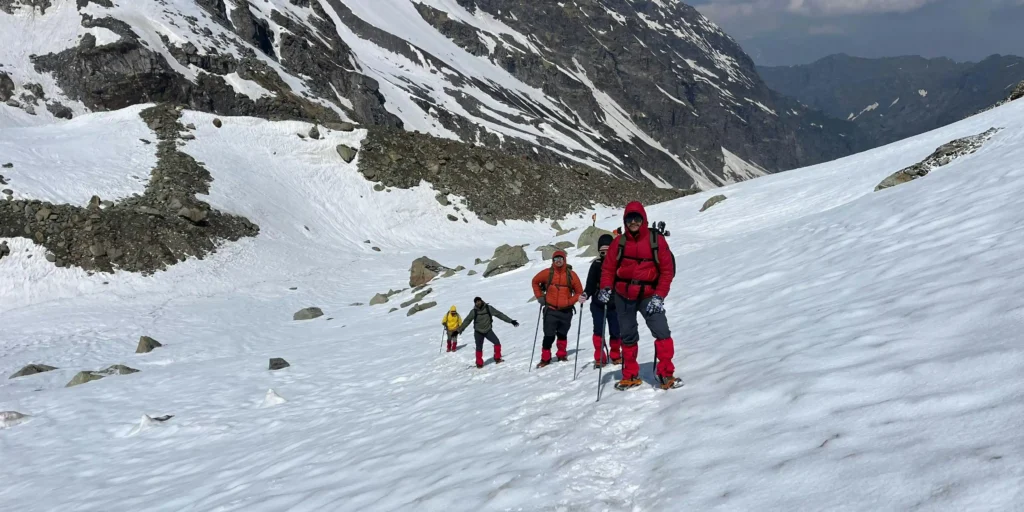
Larke Pass (5106m): Complete Guide to Weather, Safety and What the Crossing Really Feels Like
A practical, experience-based guide to understanding Nepal’s most scenic non-technical high pass.
What Makes Larke Pass Unique?
Larke Pass is one of the longest high-altitude crossing days among Nepal’s major trekking routes. What makes it distinct is the combination of scenery, altitude and long gradual climbs. Unlike Thorong La, which has a steeper final ascent, Larke Pass involves a continuous but manageable incline from Dharamsala followed by a long, uneven descent to Bhimthang. The trail offers views of the Larke Glacier, Naike Peak, Pongkar Lake basin and distant Himalayan ridgelines.
Although the pass is high, it does not require technical climbing equipment. The challenge is the exposure to cold winds, the thin air above 5000 meters and the length of the day—typically eight to ten hours depending on pace and conditions.
Typical Pass Day Timeline
The timeline below describes a standard, safe approach used by experienced Manaslu guides. Small variations occur depending on weather and group pacing.
| Time | Activity | Notes |
|---|---|---|
| 3:00–3:30 am | Wake up | Early start avoids afternoon winds at the top. |
| 4:00 am | Breakfast at Dharamsala | Warm porridge, tea, bread; cold temperatures inside and outside. |
| 4:30–5:00 am | Start the climb | Headlamps required; terrain starts gently. |
| 7:00–8:00 am | Mid-ascent | Glacier views become visible as light increases. |
| 9:00–10:00 am | Reach Larke Pass top | Winds strongest here; brief rest and photographs. |
| 10:00 am onwards | Descent to Bhimthang | Long, rocky and tiring descent; takes several hours. |
This routine allows trekkers to reach the pass safely before winds intensify around noon.
Weather Patterns on Larke Pass
Weather is one of the most defining elements of the Larke Pass experience. Even small fluctuations in temperature and wind make the climb feel different. Clear mornings and windy afternoons are common at this altitude. Below is a broad look at seasonal expectations.
| Season | Conditions Near the Pass |
|---|---|
| March–April | Cold mornings, possible snow patches, good visibility |
| May | Milder temperatures but cloud buildup after noon |
| September–October | Stable and clear, ideal visibility and firm trail |
| November | Very cold early mornings and strong winds |
During late autumn, temperatures at the top can drop below minus ten degrees, and windchill can make it feel even colder. Snowfall risk increases after early November, which is why choosing experienced local guides is important.
Trail Surface and Terrain
The approach to the pass is a mix of hard-packed dirt, gravel, and sections of loose rock. Higher up, the path traverses small moraine ridges and frozen patches depending on time of year. Poles are useful, especially on the descent into Bhimthang, which can feel long and tiring after the high point.
While the trail is well established, snow can temporarily obscure the route. In such conditions, local knowledge becomes crucial. The crossing is never technical, but in bad weather it becomes more strenuous and requires careful pacing.
Altitude Considerations
The altitude is the single largest challenge of the pass. The final approach to Larke La climbs above 5000 meters, where oxygen levels are significantly lower. Even trekkers with strong fitness will feel the effect of altitude on breathing rhythm, pace and concentration.
Acclimatization days at Samagaon and Samdo reduce the risk of altitude sickness. Symptoms such as mild headaches or shortness of breath are normal, but dizziness, nausea or confusion are signs to descend immediately. Proper pacing, hydration and a steady walking rhythm are more important than speed.
What the Final Ascent Feels Like
The climb to the pass is steady rather than steep. In the early hours, the trail is dark, and only headlamps illuminate the ground. As the light increases, the glacier gradually becomes visible. It is a surreal moment when the ice fields take shape under the morning sky.
The final thirty minutes can feel slow because of the altitude. Every step requires controlled breathing. Trekkers often describe the moment of reaching the top as quiet and emotional rather than loud or celebratory. The wind here is strong, and stopping too long becomes uncomfortable, so the descent begins shortly after brief rest and photographs.
The Descent Into Bhimthang
The descent from Larke Pass is one of the most underestimated parts of the trek. It drops over a thousand meters along rocky terrain and requires concentration. Depending on snow levels, the top section can be slippery. The lower part opens into a wide, bright valley with views of Pongkar Lake and the surrounding ridgelines.
Bhimthang is a welcome sight after a long day. Many trekkers describe the landscape here as unexpectedly beautiful—open meadows, glacier backdrops and the relief of reaching a warmer elevation.
Safety Tips for a Comfortable Crossing
Years of experience on the circuit have produced a set of practical guidelines that make the pass day safer and more comfortable.
- Start early to avoid afternoon winds
- Layer clothing to adjust for rapid temperature changes
- Carry two pairs of gloves (thin + insulated)
- Use trekking poles for balance on the descent
- Stay hydrated even in cold conditions
- Follow a slow and steady rhythm to conserve energy
The pass rewards patience, not speed. Listening to your guide and maintaining a consistent pace is the best approach.
Is Larke Pass Suitable for Beginners?
The pass is challenging but manageable for beginners with preparation and proper acclimatization. What matters most is patience, mental readiness and following an itinerary that includes adequate rest days. Trekkers who have completed moderate multi-day hikes will be comfortable with the terrain, although the altitude will still feel demanding.
In good weather, Larke Pass is an achievable goal for anyone who respects altitude and follows guidance.