The Kanchenjunga region is one of the last truly wild corners of the Himalaya. Stretching from subtropical forests at 1,200 meters to glacial valleys above 5,000 meters, it forms a living corridor for some of the rarest species on Earth. While the Everest and Annapurna regions have long been shaped by tourism, Kanchenjunga remains dominated by ancient forests, deep river valleys and alpine zones where wildlife still moves relatively undisturbed.
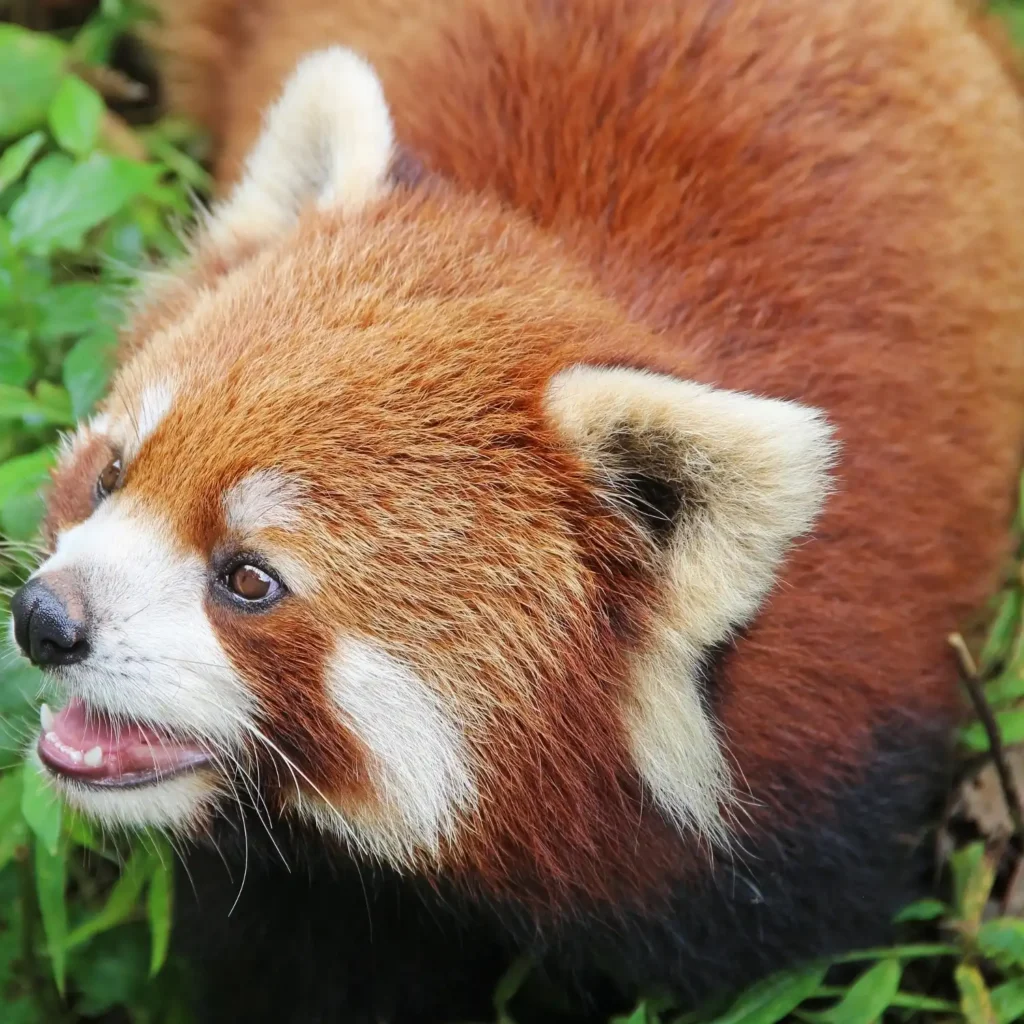
For trekkers, this region offers more than mountain views. It offers a chance to enter ecosystems that have survived for centuries due to isolation, community protection and low visitor numbers. From the red panda hiding among bamboo thickets to the snow leopard patrolling the high ridges above Khambachen, the Kanchenjunga Conservation Area is a sanctuary for life at every elevation.
This guide, prepared by Eagle Trail Escapes with input from local naturalists, herders and conservation groups, explores the species you may encounter and the ecological relationships that define this extraordinary landscape.
Wildlife of Kanchenjunga
A Naturalist’s Guide
A Wilderness Shaped by Geography and Isolation
The Kanchenjunga Conservation Area covers more than 2,000 square kilometers of terrain ranging from river gorges to high glacial basins. This extreme elevation gradient makes the region one of the richest ecological mosaics in the Himalaya.
Three factors make Kanchenjunga uniquely suited to wildlife:
- Low tourism pressure — less disturbance than commercial trekking hubs.
- Strong community protection — traditional taboos and community forests.
- A continuous habitat corridor linking Nepal, Sikkim and Tibet.
This combination allows elusive species like the snow leopard, Himalayan black bear and red panda to survive in landscapes where they have disappeared elsewhere.
The Snow Leopard — Guardian of the High Ridges
Few animals capture the imagination of trekkers like the snow leopard (Panthera uncia). Although sightings are extremely rare, signs of the cat—scratches, scat, tracks and prey kills—are often found along the high ridges above Ghunsa, Khambachen, Lhonak and Pangpema.
Habitat
Snow leopards thrive between 3,500–5,500 meters, preferring rocky outcrops, cliffs and alpine meadows with good visibility for stalking prey.
Key Areas in Kanchenjunga
- Khambachen ridge
- Lhonak plains
- Ramtang monastery surroundings
- High moraine slopes near Pangpema
Ecological Role
They help regulate blue sheep populations, maintaining balance in fragile alpine ecosystems.
How to Spot Signs
Trekkers sometimes see:
- Round paw prints with no claw marks.
- Scratching posts on slopes.
- High droppings on boulders near ridgelines.
Eagle Trail Escapes partners with local herders and conservation monitors who know these landscapes intimately. Their quiet knowledge helps protect both livestock and wildlife in a balanced coexistence.
The Red Panda — The Hidden Jewel of the Mid-Hills
While the snow leopard captures attention, the red panda (Ailurus fulgens) is the species visitors secretly hope to glimpse. Kanchenjunga has one of Nepal’s strongest and most stable red panda populations.
Habitat
Damp bamboo forests between 2,200–3,800 meters. They prefer areas where fir, birch and rhododendron mix with bamboo understory.
Best Areas to Spot Red Panda
- Between Phale and Ghunsa
- Forested slopes above Yamphudin
- Mixed forest zones below Sele Le
Local Conservation
Many families in Ghunsa and Yamphudin serve as community forest guardians. Cutting bamboo is restricted in certain zones to protect panda habitat.
Although sightings require patience and luck, trekkers occasionally see a flash of red moving through bamboo thickets early in the morning.
Blue Sheep, Musk Deer & Other Iconic Mammals
The high valleys around Lhonak and Pangpema host herds of blue sheep—the primary prey of snow leopards. Watching these agile animals leap across steep slopes is a highlight for many trekkers.
Other Mammals
- Musk deer — found in birch and fir forests above Cheram.
- Himalayan black bear — occasionally seen on forested ridges in autumn.
- Himalayan tahr — grazing on high cliffs near ridge trails.
- Pikas — small, vocal mammals often seen darting among rocks near alpine zones.
Each species occupies a specific ecological niche, forming part of a larger web that keeps these remote valleys functioning as intact wilderness.
Birdlife of Kanchenjunga — A Paradise for Naturalists
Kanchenjunga is an exceptional birding region, supporting hundreds of species across different elevations. The changing habitats—from riverine scrub to high alpine meadows—create ideal conditions for both resident and migratory birds.
Notable Species
- Himalayan monal — Nepal’s national bird, vibrant in breeding plumage.
- Satyr tragopan — spotted in dense rhododendron forests.
- Blood pheasant — often seen at higher elevations.
- Snow partridge — blending perfectly with rocky alpine environments.
- Lammergeier (Bearded vulture) — soaring along high ridges.
The forests near Ghunsa and Sele Le are considered some of the best birding locations in eastern Nepal.
Why Kanchenjunga Still Supports Healthy Wildlife Populations
Unlike many Himalayan regions, Kanchenjunga benefits from traditional practices that protect wildlife. These are reinforced by modern conservation groups but rooted in community beliefs.
Community-Led Protection
Local communities often maintain sacred forests and restrict hunting or tree felling. These cultural protections act as de facto conservation zones.
Low Tourism Pressure
Only a few thousand trekkers visit Kanchenjunga annually, reducing habitat disturbance.
Connected Corridors
The region lies at a junction between Nepal, Sikkim and Tibet, allowing animals—especially snow leopards—to move freely.
For trekkers, this means walking through ecosystems that function closer to their natural state than almost anywhere else in Nepal.
How Eagle Trail Escapes Supports Wildlife Protection
Our philosophy is simple: responsible trekking must contribute to the protection of the landscapes we travel through. To support wildlife conservation, Eagle Trail Escapes does the following:
- We work with community-based conservation groups in Ghunsa and Yamphudin.
- We use locally operated homestays where families benefit directly.
- We educate trekkers on wildlife etiquette—quiet movement, no off-trail walking, respect for habitat.
- We follow a strict no-disturbance policy for red panda zones and ridgetops with known snow leopard movement.
Trekkers join a larger effort to preserve the Kanchenjunga ecosystem simply by choosing responsible local partners.
Kanchenjunga is not just a trekking region—it is one of the last living strongholds of Himalayan wildlife.
Eagle Trail Escapes Conservation Team