The Kanchenjunga region is one of Nepal’s last true wilderness frontiers—remote, culturally rich, and astonishingly diverse. Unlike the commercial trekking corridors of Everest or Annapurna, Kanchenjunga remains quiet, powerful and untouched. With two distinct Base Camps—Pangpema (North) and Oktang (South)—and the option to combine both, trekkers often ask:
Which Kanchenjunga trek is right for me?
At Eagle Trail Escapes, we operate all three routes through locally operated homestays and community-led lodges. Our teams come from Ghunsa, Yamphudin and Cheram—communities who have lived for generations along these trails. This guide is designed to help you choose the right route based on scenery, difficulty, culture, and your personal trekking goals.
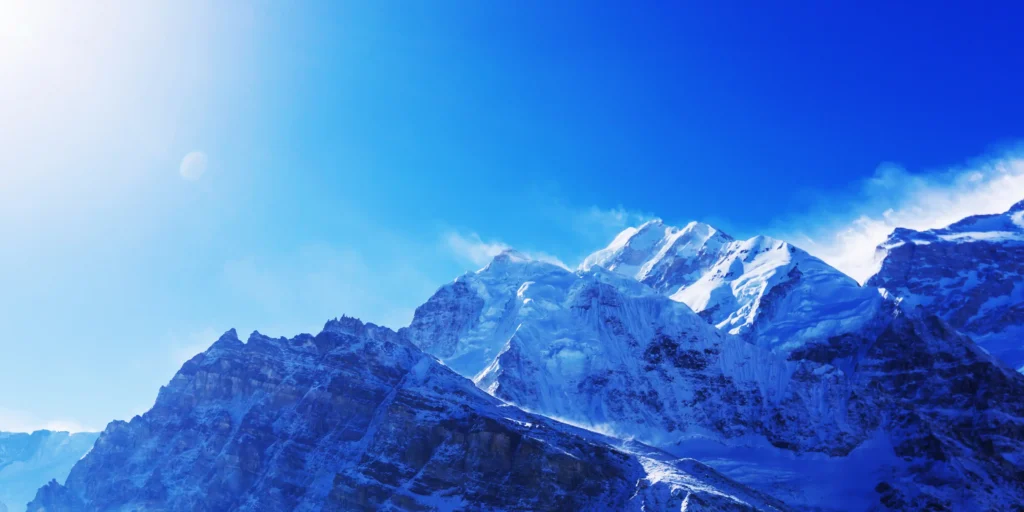
Kanchenjunga North vs South Base Camp vs Both Base Camps
A complete comparison for trekkers choosing between Nepal’s most remote Himalayan routes.
The Essence of Kanchenjunga: What Makes These Treks Unique
Kanchenjunga feels different from any other Himalayan region. The landscapes shift dramatically—from lush Tamor River valleys to rhododendron forests, glacial basins and dramatic amphitheaters of ice. It is also one of Nepal’s most culturally diverse trekking areas, home to Limbu, Rai, Sherpa and Tibetan-influenced communities.
Trekkers often describe Kanchenjunga as the most authentic long-distance trek in Nepal because:
- There are no major commercial lodges.
- Most accommodations are local homestays.
- Many sections have no road access or helicopter landing zones.
- The terrain is raw, wild and constantly surprising.
- The cultural experience is intimate and community-driven.
This is why Eagle Trail Escapes prioritizes local partnerships—staying in homes run by families we have known for years, ensuring revenue directly supports remote villages like Ghunsa, Phale, Cheram and Yamphudin.
The Big Comparison: North vs South vs Both Base Camps
Below is a simplified comparison to understand the key differences before diving into the deep details.
| Feature | North BC (Pangpema) | South BC (Oktang) | Both BCs |
|---|---|---|---|
| Scenery | Grand glacier valleys, sharp ridgelines, ice walls | Massive amphitheater views, close-up of the South Face | Full diversity: best of both sides |
| Culture | Sherpa/Tibetan-influenced villages | Limbu & Rai lowland culture | Complete cultural cross-section |
| Difficulty | Challenging | Very challenging (steeper passes) | Extremely challenging (long & committing) |
| Best For | Scenery lovers, photographers | Strong trekkers seeking dramatic views | Experienced trekkers wanting full immersion |
| Duration | 18–20 days | 18–20 days | 22–26 days |
Kanchenjunga North Base Camp (Pangpema) — What to Expect
The trail to Pangpema begins at Taplejung and climbs steadily through the Tamor and Ghunsa valleys. This side of the mountain feels colder, drier and more influenced by Tibetan culture. Villages like Gyabla, Ghunsa and Phale retain deep mountain traditions, with prayer wheels, chortens and walls of mani stones lining the trail.
Highlights include:
- The ancient refugee settlement of Phale.
- The yak herding meadows of Khambachen.
- Glacial views from Lhonak and Pangpema.
- The towering north face of Kanchenjunga rising almost vertically above the glacier.
The approach to Pangpema is known for its wide-open glacial valleys and dramatic ridgelines—a landscape favored by photographers and trekkers seeking raw Himalayan beauty.
Kanchenjunga South Base Camp (Oktang) — What Makes It Different
The South Base Camp route offers a very different experience. It passes through diverse cultural zones beginning in the mid-hills of the Limbu community at Yamphudin, then through steep forested ascents to high grazing pastures and glacial cirques near Cheram.
The highlight is the walk from Cheram to Oktang—a dramatic amphitheater dominated by the Kanchenjunga Main, Yalung Kang, and the southern buttresses of the massif.
Compared to the North Base Camp, the south feels:
- Steeper and more physically demanding.
- More intimate, with closer views of the main summit.
- Richer in cultural diversity with Limbu, Rai and Sherpa influences.
Both Base Camps — The Ultimate Kanchenjunga Traverse
For trekkers who want to see everything the region has to offer, the full North + South Base Camp circuit is unmatched. The route crosses high passes like Sinion La and Mirgin La, linking the glacial north with the dramatic southern amphitheater.
Reasons to choose this option:
- Most complete cultural immersion.
- A sense of journey rarely found in commercial trails.
- Views of both sides of the third-highest mountain on Earth.
- The feeling of a true Himalayan expedition, not just a trek.
However, the traverse is long, strenuous and remote—recommended only for trekkers with previous high-altitude experience.
Which Route Is Best for You?
Choose North Base Camp (Pangpema) if you want:
- Dramatic glacial landscapes
- Tibetan Buddhist mountain culture
- Big valley photography opportunities
Choose South Base Camp (Oktang) if you want:
- Intimate, close-up views of Kanchenjunga
- Limbu/Rai cultural experiences
- A more strenuous but rewarding trek
Choose Both Base Camps if you want:
- Full immersion in culture, geography and landscapes
- An expedition-level trekking experience
- A route that very few trekkers complete each year
At Eagle Trail Escapes, we discuss your fitness, previous altitude experience and goals to match you with the right itinerary. Our local partners in Ghunsa, Cheram and Yamphudin ensure that guests stay with families who directly benefit from responsible tourism.
Kanchenjunga rewards trekkers who value wilderness, community and the rare feeling of being far from the modern world.
Eagle Trail Escapes – Local Partner Team