The Kanchenjunga region is often described as Nepal’s last great wilderness. For trekkers seeking a journey that feels raw, remote and deeply rewarding, it is unmatched. But it also demands more from visitors than almost any other trekking region in the country. Distances are longer, the terrain is tougher, the weather is unpredictable, and the infrastructure—from accommodations to trail support—remains intentionally limited to protect the region’s culture and environment.
Unlike Everest or Annapurna, Kanchenjunga has no commercial lodges, no large teams of support staff, and very few helicopter evacuation options. Trekkers must rely on their own conditioning, experienced local guides, and the strength of the communities who provide homestays and meals along the trail.
In this guide, Eagle Trail Escapes explains exactly why Kanchenjunga is considered one of Nepal’s hardest treks—and how you can prepare for the challenge in a safe, informed and responsible way.
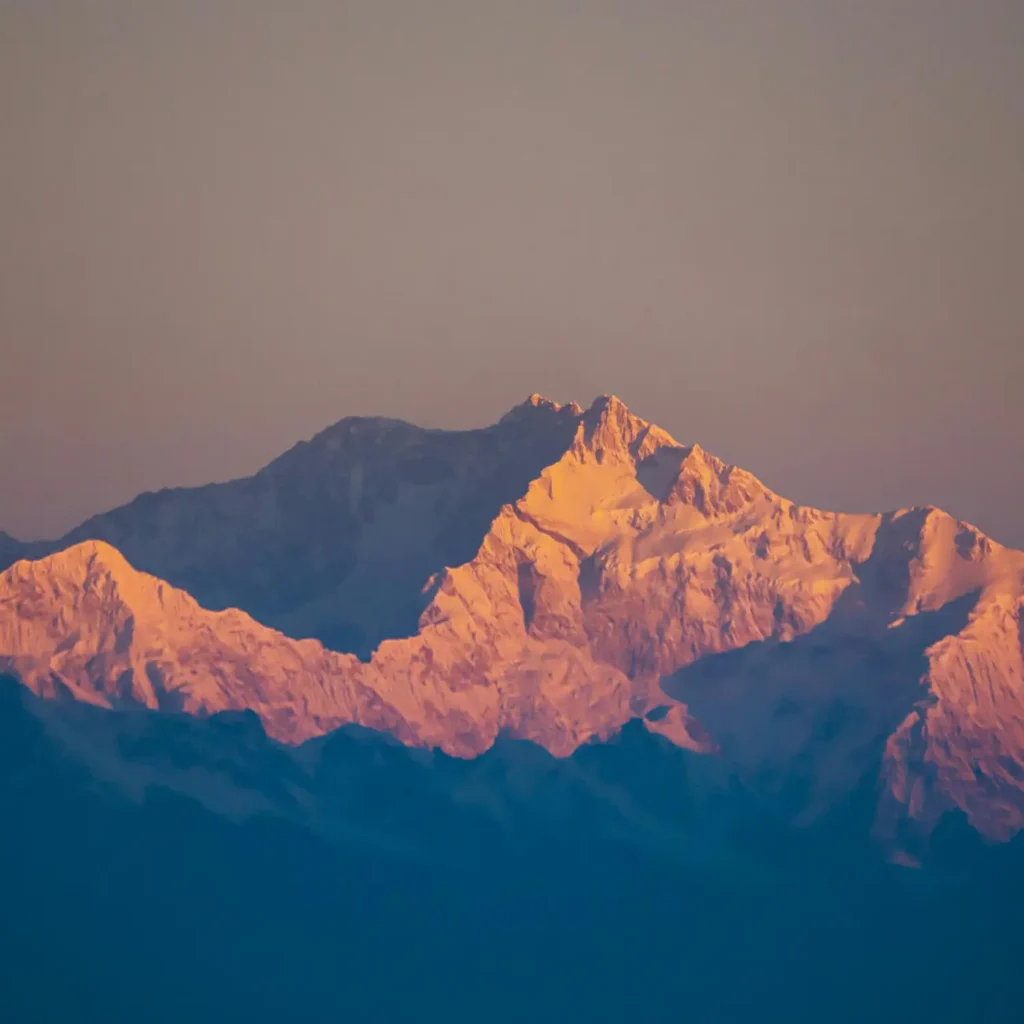
Why the Kanchenjunga Trek Is One of Nepal’s Hardest
Terrain, Logistics & How to Prepare
The Remoteness Factor — Days Away From Roads, Rescue & Modern Support
The single biggest reason Kanchenjunga is considered a difficult trek is its remoteness. The region is tucked into the far east of Nepal, a full day’s travel from major airports and even farther from road-connected settlements. Once you leave Taplejung or Yamphudin, you enter an ecosystem that has no vehicle access, few permanent facilities and almost no emergency infrastructure.
No Helicopter Rescue in Many Sections
High ridgelines, unpredictable weather and thick forests make helicopter landings extremely difficult on both the North and South Base Camp trails. Trekkers must walk to designated landing zones—often several hours away.
Reliance on Local Communities
Homes in Ghunsa, Cheram, Yamphudin and other settlements are the backbone of the trekking experience. They provide meals, shelter and guidance in an area where no commercial services exist. But this also means:
- Limited menu options.
- Basic sleeping arrangements.
- Variable heating and water availability.
- No guaranteed access to electricity for charging.
This is not Everest or Annapurna—there are no cappuccino machines, bakeries or charging stations. What you gain instead is authenticity and cultural connection.
The Terrain — Long Days, Steep Gains & Demanding Passes
Kanchenjunga’s terrain is not just physically demanding—it is uniquely unpredictable. The trail crosses river gorges, narrow forest paths, exposed ridgelines and long glacial valleys. Many days involve significant elevation gain and loss.
South Base Camp Terrain
- Steep climbs from Yamphudin to Cheram.
- Narrow, root-covered trails through dense forest.
- High-altitude exposure near Oktang.
- Long, sustained ascents toward Ramche and Yalung Base Camp.
North Base Camp Terrain
- Rocky traverses near Khambachen.
- Moraine crossings approaching Lhonak.
- Exposure to wind and cold near Pangpema.
- Potential landslide zones on the approach to Ghunsa.
Crossing the High Passes
The traverse between the two Base Camps requires crossing Sinion La, Mirgin La and Sele Le—one of the toughest pass systems in eastern Nepal. Trekkers must navigate steep ascents, snow patches (depending on season), and narrow trails along wind-exposed ridges.
Altitude — The Silent Challenge
Altitude is a major factor in Kanchenjunga’s difficulty. Both Base Camps lie above 4,500 meters, and several nights are spent above 3,800 meters. Unlike Everest or Annapurna, where trails acclimatize gradually with well-developed villages in between, Kanchenjunga’s spacing is more extreme.
Key High-Altitude Sections
- Lhonak (4,780m)
- Pangpema (5,140m)
- Cheram (3,870m)
- Ramche (4,580m)
Trekkers often underestimate the cumulative exhaustion caused by consecutive high-altitude days. Proper acclimatization days are essential—something Eagle Trail Escapes always includes in our itineraries to reduce risk.
Weather & Climate — Unpredictable, Fast-Changing & Powerful
Kanchenjunga’s weather is notoriously unstable. The region sits at the intersection of monsoon pathways and Himalayan jet stream movements, causing rapid shifts in temperature and visibility.
Common Weather Challenges
- Sudden cloud cover reducing visibility.
- Late-afternoon storms at higher elevations.
- High winds on ridgelines near passes.
- Deep cold at night, even in peak seasons.
Trekkers must be prepared for a wide weather spectrum: heat in the lower valleys, mist and rain in the mid-hills, and sub-zero temperatures in the high camps.
Long Distances & Duration — A True Himalayan Expedition
Most Kanchenjunga treks last 18–26 days. This is far longer than typical Everest or Annapurna circuits. Long-duration travel tests stamina, mental strength and adaptability.
Even trekkers with strong fitness levels feel the cumulative strain of long days, steep climbs, shifting climate zones and nightly altitude adjustments.
Why Duration Matters
- It increases exposure to weather shifts.
- It requires consistent energy management.
- It demands excellent pacing and recovery.
This is where our local team’s experience becomes invaluable—setting manageable paces, ensuring proper hydration and adjusting plans based on changing conditions.
Homestay Logistics — Beautiful But Basic
Homestays in Kanchenjunga offer some of the most culturally rich experiences in Nepal. But trekkers expecting commercial comfort may struggle with what the region realistically offers.
Expectations
- Simple bedding and wooden rooms.
- Limited menu variety.
- Wood-fired kitchens.
- Cold water in many villages.
- Solar or micro-hydro electricity (variable).
What you gain, however, is connection—cultural depth, shared meals, warmth around the fire, and direct support for families who live in one of Nepal’s most challenging environments.
Mental Preparation — Just as Important as Physical Fitness
The mental challenge of Kanchenjunga is often underestimated. Isolation, weather stress, long days and limited amenities test patience and resilience. Yet trekkers who embrace these conditions often describe the journey as life-changing.
Mental Challenges Include:
- Limited communication with the outside world.
- Unpredictability of trail conditions.
- Adjusting to homestay culture.
- Maintaining motivation during repeated long days.
Eagle Trail Escapes prepares trekkers thoroughly before departure and reinforces mental readiness through realistic expectations and strong daily support on the trail.
How to Train for Kanchenjunga — A Practical Guide
Preparing for Kanchenjunga requires a balanced approach that blends endurance, leg strength, altitude conditioning and mental resilience. Below is a straightforward training plan recommended by our guides.
Three-Month Training Plan
- Cardio — 3–4 sessions weekly (running, hiking, stair training).
- Strength — leg-focused workouts (lunges, weighted climbs).
- Hiking practice — full-day hikes on weekends with increasing pack weight.
- Altitude practice (if possible) — hikes above 2,000m.
Trekkers should feel comfortable hiking 6–8 hours per day on back-to-back days before attempting Kanchenjunga.
Is Kanchenjunga Right for You?
Kanchenjunga is not a trek for beginners. It is best suited for:
- Experienced trekkers with multi-day high-altitude experience.
- People comfortable with rustic, simple living conditions.
- Trekkers who appreciate culture, wilderness and low-footfall trails.
- Visitors motivated by challenge and curiosity rather than comfort.
If this describes you, Kanchenjunga will be one of the most rewarding journeys of your life.
Kanchenjunga tests you, but it also gives you back something very rare—clarity, humility and a connection to untouched mountain life.
Eagle Trail Escapes Lead Guide