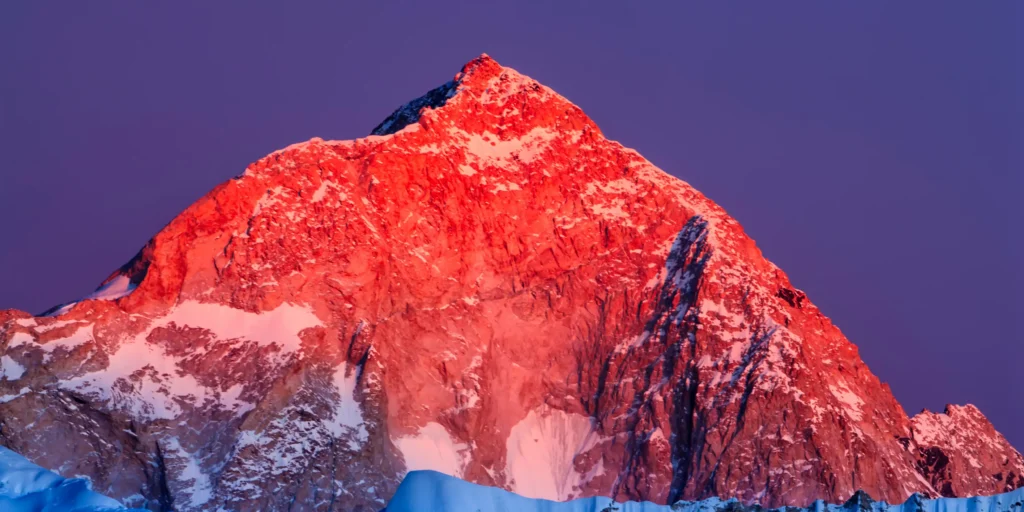
Crossing the High Passes of Makalu — Shipton La, Sherpani Col & the Wild East
A rare, detailed guide to the passes that shaped Himalayan exploration.
Why Makalu’s Passes Are Legendary
Makalu’s high passes are among the most dramatic and least-traveled in all of Nepal. Many trekkers know Everest’s Cho La or Annapurna’s Thorong La, but far fewer have experienced the raw isolation of Shipton La or the high-altitude ice corridors of Sherpani Col and West Col. These passes form a natural bridge between Makalu Base Camp, the Barun Valley and the remote eastern gateway into the Everest region.
Unlike commercial trekking circuits, these passes remain wild. Weather shifts rapidly. Terrain changes from dense forest to rock slabs to high alpine ice. There are no large lodges; the higher you climb, the more the landscape dictates the pace. For trekkers who seek solitude, challenge and a deeper connection to the mountains, this region offers something unforgettable.
At Eagle Trail Escapes, crossing Makalu’s passes is not just a technical achievement — it is a cultural and ecological journey. We plan routes slowly, rely on local expertise in Tashigaon and Khongma, and respect the long-standing traditions of herders and climbers who know these mountains better than any map.
Understanding Each Pass: Terrain, Character & History
The four significant passes of the Makalu region each have their own identity and difficulty level. Some are demanding trekking passes; others are fully mountaineering crossings requiring ropes, crampons and careful planning.
1. Shipton La (4,200m+)
Type: Trekking pass
Location: Between Tashigaon and Mumbuk
Shipton La is the first major barrier on the Makalu Base Camp route. Named after Eric Shipton, the legendary British explorer, this pass is steep, forested and often mist-covered. Trekkers ascend stone staircases through rhododendron forests before reaching exposed ridgelines with dramatic views toward Chamlang, Peak 6/7 and the Arun Valley.
What to expect:
- Steep climbs from Khongma Danda.
- Possible snow in shoulder seasons.
- Multiple small false summits before the true pass.
- Narrow ridge trails with large drops on both sides.
The descent to Mumbuk is steep and slippery, especially after rain. Many trekkers say that Shipton La is the point where the trek transforms — from cultural hill villages to high Himalayan wilderness.
2. Tutu La
A secondary pass close to Shipton La, often crossed on the same day. The terrain is similar — rocky slabs, alpine shrubs and shifting weather — but views open toward the deep Barun Canyon, hinting at the vast wilderness ahead.
3. Sherpani Col (~6,135m)
Type: Technical mountaineering pass
Location: High route linking Makalu BC to the West Col and Amphu Lapcha corridor
Sherpani Col is one of Nepal’s most famous high-altitude crossings, known for its combination of ice cliffs, fixed rope sections and breathtaking exposure. Climbers often use this pass when linking Makalu Base Camp to the Everest region without returning to the lowlands.
Why Sherpani Col is unique:
- High elevation: over 6,100 meters.
- Requires crampons, technical gear and rope teams.
- Panoramic views of Baruntse, Ama Dablam, and the Khumbu peaks.
- Crossing a high icefall with impressive crevasse fields.
This crossing is recommended only for highly experienced trekkers with mountaineering backgrounds. Our guides typically operate with 1:2 safety ratios and establish camps in advance.
4. West Col (~6,143m)
Connected via Sherpani Col, the West Col is another technical high point that requires glacier travel skills. Its ice slopes are often steeper but more stable than Sherpani Col, offering clearer transitions between Makalu and the Imja Glacier basin.
Crossing both Sherpani and West Col in sequence creates one of the most spectacular wilderness expeditions in the eastern Himalayas — a route taken by explorers, alpinists and a select group of committed trekkers.
5. Amphu Lapcha (~5,845m)
Type: Technical alpine pass
Links: Upper Imja Valley → Honku Valley → Barun region
Amphu Lapcha is the dramatic finale of the three-pass link between Makalu and Everest. Known for its sharp knife-edge ridge, vertical rock sections and fixed rope descents, it offers phenomenal views of Ama Dablam, Chamlang and the Imja Glacier.
It is one of Nepal’s most committing pass crossings — requiring technical guidance and stable weather windows.
How Hard Are These Passes?
Difficulty depends on which pass you consider, but Makalu’s passes are typically harder than those on the Everest or Annapurna circuits. They are steeper, more isolated and rarely maintained. Weather plays the biggest role in difficulty — fog, snow and wind can transform a straightforward trail into a serious challenge.
Difficulty Summary
- Shipton La: Challenging trekking pass; steep, exposed, often wet or snowy.
- Sherpani Col: Severe; requires ropes, ice tools, glacier navigation.
- West Col: Severe; similar to Sherpani Col with heavy pack loads.
- Amphu Lapcha: Severe; fixed ropes, steep descents, rock scrambling.
Fitness matters, but more important is your comfort at altitude and your ability to adapt quickly to changing terrain. Many trekkers describe these passes as “the most rewarding challenge of their Himalayan journey.”
Weather, Seasons & Timing
Makalu’s passes sit in a region heavily influenced by the monsoon. Weather shifts quickly, even in peak trekking seasons.
Best Seasons
- Autumn (Sep–Nov): Best visibility, stable snowpack, icons of the high peaks are clearest.
- Spring (Mar–May): Beautiful forests on approach, but high passes can still hold snow.
Worst Times: Winter and monsoon. Heavy snowfall blocks Shipton La and makes Sherpani–West Col crossings unsafe. After heavy storms, cornices, ice cracks and avalanche hazards become unpredictable.
Experienced climbers use early starts, scouting days and weather windows; our team coordinates closely with local herders and seasonal climbers who know when conditions shift.
“The approach to Sherpani Col is a lesson in humility. The mountains decide whether you cross — not your itinerary.”
High-altitude Guide, Makalu Region
Local Knowledge: Why Community Insights Matter
In remote regions like Makalu, local knowledge keeps people safe. Sherpa and Bhote families have moved livestock across these mountains for generations. Their understanding of weather patterns, avalanche risk, rockfall zones and seasonal water sources is invaluable.
For Eagle Trail Escapes, this is a core value — we operate with local teams not because it’s convenient, but because it is the most respectful, sustainable and reliable way to travel here.
Examples of local expertise trekkers rely on:
- Identifying old winter snow vs fresh avalanche debris.
- Predicting afternoon fog at Shipton La.
- Reading cloud behavior around Chamlang.
- Knowing when Barun winds signal an incoming storm.
This type of insight cannot be found in guidebooks or GPS files. It comes from generations of life in the high Himalayas.
Training, Gear & Preparation
Certain passes require very different skill sets. Here is a simple breakdown:
For Shipton La (Trekking Pass)
- Strong cardiovascular fitness.
- Comfort with steep climbs/descents.
- Trekking poles, microspikes (early spring).
For Sherpani Col, West Col & Amphu Lapcha (Technical Passes)
- Crampons & mountaineering boots.
- Harness, jumar, safety lanyard.
- Experience walking on fixed ropes.
- Glacier travel experience recommended.
- Ability to move safely on 40–50° snow/ice.
Trekkers without mountaineering backgrounds often hire an additional climbing guide for the technical sections. Safety ratios matter here — the terrain is no place for shortcuts.

Crossing the High Passes of Makalu — Shipton La, Sherpani Col & the Wild East
A rare, detailed guide to the passes that shaped Himalayan exploration.
Why Makalu’s Passes Are Legendary
Makalu’s high passes are among the most dramatic and least-traveled in all of Nepal. Many trekkers know Everest’s Cho La or Annapurna’s Thorong La, but far fewer have experienced the raw isolation of Shipton La or the high-altitude ice corridors of Sherpani Col and West Col. These passes form a natural bridge between Makalu Base Camp, the Barun Valley and the remote eastern gateway into the Everest region.
Unlike commercial trekking circuits, these passes remain wild. Weather shifts rapidly. Terrain changes from dense forest to rock slabs to high alpine ice. There are no large lodges; the higher you climb, the more the landscape dictates the pace. For trekkers who seek solitude, challenge and a deeper connection to the mountains, this region offers something unforgettable.
At Eagle Trail Escapes, crossing Makalu’s passes is not just a technical achievement — it is a cultural and ecological journey. We plan routes slowly, rely on local expertise in Tashigaon and Khongma, and respect the long-standing traditions of herders and climbers who know these mountains better than any map.
Understanding Each Pass: Terrain, Character & History
The four significant passes of the Makalu region each have their own identity and difficulty level. Some are demanding trekking passes; others are fully mountaineering crossings requiring ropes, crampons and careful planning.
1. Shipton La (4,200m+)
Type: Trekking pass
Location: Between Tashigaon and Mumbuk
Shipton La is the first major barrier on the Makalu Base Camp route. Named after Eric Shipton, the legendary British explorer, this pass is steep, forested and often mist-covered. Trekkers ascend stone staircases through rhododendron forests before reaching exposed ridgelines with dramatic views toward Chamlang, Peak 6/7 and the Arun Valley.
What to expect:
- Steep climbs from Khongma Danda.
- Possible snow in shoulder seasons.
- Multiple small false summits before the true pass.
- Narrow ridge trails with large drops on both sides.
The descent to Mumbuk is steep and slippery, especially after rain. Many trekkers say that Shipton La is the point where the trek transforms — from cultural hill villages to high Himalayan wilderness.
2. Tutu La
A secondary pass close to Shipton La, often crossed on the same day. The terrain is similar — rocky slabs, alpine shrubs and shifting weather — but views open toward the deep Barun Canyon, hinting at the vast wilderness ahead.
3. Sherpani Col (~6,135m)
Type: Technical mountaineering pass
Location: High route linking Makalu BC to the West Col and Amphu Lapcha corridor
Sherpani Col is one of Nepal’s most famous high-altitude crossings, known for its combination of ice cliffs, fixed rope sections and breathtaking exposure. Climbers often use this pass when linking Makalu Base Camp to the Everest region without returning to the lowlands.
Why Sherpani Col is unique:
- High elevation: over 6,100 meters.
- Requires crampons, technical gear and rope teams.
- Panoramic views of Baruntse, Ama Dablam, and the Khumbu peaks.
- Crossing a high icefall with impressive crevasse fields.
This crossing is recommended only for highly experienced trekkers with mountaineering backgrounds. Our guides typically operate with 1:2 safety ratios and establish camps in advance.
4. West Col (~6,143m)
Connected via Sherpani Col, the West Col is another technical high point that requires glacier travel skills. Its ice slopes are often steeper but more stable than Sherpani Col, offering clearer transitions between Makalu and the Imja Glacier basin.
Crossing both Sherpani and West Col in sequence creates one of the most spectacular wilderness expeditions in the eastern Himalayas — a route taken by explorers, alpinists and a select group of committed trekkers.
5. Amphu Lapcha (~5,845m)
Type: Technical alpine pass
Links: Upper Imja Valley → Honku Valley → Barun region
Amphu Lapcha is the dramatic finale of the three-pass link between Makalu and Everest. Known for its sharp knife-edge ridge, vertical rock sections and fixed rope descents, it offers phenomenal views of Ama Dablam, Chamlang and the Imja Glacier.
It is one of Nepal’s most committing pass crossings — requiring technical guidance and stable weather windows.
How Hard Are These Passes?
Difficulty depends on which pass you consider, but Makalu’s passes are typically harder than those on the Everest or Annapurna circuits. They are steeper, more isolated and rarely maintained. Weather plays the biggest role in difficulty — fog, snow and wind can transform a straightforward trail into a serious challenge.
Difficulty Summary
- Shipton La: Challenging trekking pass; steep, exposed, often wet or snowy.
- Sherpani Col: Severe; requires ropes, ice tools, glacier navigation.
- West Col: Severe; similar to Sherpani Col with heavy pack loads.
- Amphu Lapcha: Severe; fixed ropes, steep descents, rock scrambling.
Fitness matters, but more important is your comfort at altitude and your ability to adapt quickly to changing terrain. Many trekkers describe these passes as “the most rewarding challenge of their Himalayan journey.”
Weather, Seasons & Timing
Makalu’s passes sit in a region heavily influenced by the monsoon. Weather shifts quickly, even in peak trekking seasons.
Best Seasons
- Autumn (Sep–Nov): Best visibility, stable snowpack, icons of the high peaks are clearest.
- Spring (Mar–May): Beautiful forests on approach, but high passes can still hold snow.
Worst Times: Winter and monsoon. Heavy snowfall blocks Shipton La and makes Sherpani–West Col crossings unsafe. After heavy storms, cornices, ice cracks and avalanche hazards become unpredictable.
Experienced climbers use early starts, scouting days and weather windows; our team coordinates closely with local herders and seasonal climbers who know when conditions shift.
“The approach to Sherpani Col is a lesson in humility. The mountains decide whether you cross — not your itinerary.”
High-altitude Guide, Makalu Region
Local Knowledge: Why Community Insights Matter
In remote regions like Makalu, local knowledge keeps people safe. Sherpa and Bhote families have moved livestock across these mountains for generations. Their understanding of weather patterns, avalanche risk, rockfall zones and seasonal water sources is invaluable.
For Eagle Trail Escapes, this is a core value — we operate with local teams not because it’s convenient, but because it is the most respectful, sustainable and reliable way to travel here.
Examples of local expertise trekkers rely on:
- Identifying old winter snow vs fresh avalanche debris.
- Predicting afternoon fog at Shipton La.
- Reading cloud behavior around Chamlang.
- Knowing when Barun winds signal an incoming storm.
This type of insight cannot be found in guidebooks or GPS files. It comes from generations of life in the high Himalayas.
Training, Gear & Preparation
Certain passes require very different skill sets. Here is a simple breakdown:
For Shipton La (Trekking Pass)
- Strong cardiovascular fitness.
- Comfort with steep climbs/descents.
- Trekking poles, microspikes (early spring).
For Sherpani Col, West Col & Amphu Lapcha (Technical Passes)
- Crampons & mountaineering boots.
- Harness, jumar, safety lanyard.
- Experience walking on fixed ropes.
- Glacier travel experience recommended.
- Ability to move safely on 40–50° snow/ice.
Trekkers without mountaineering backgrounds often hire an additional climbing guide for the technical sections. Safety ratios matter here — the terrain is no place for shortcuts.